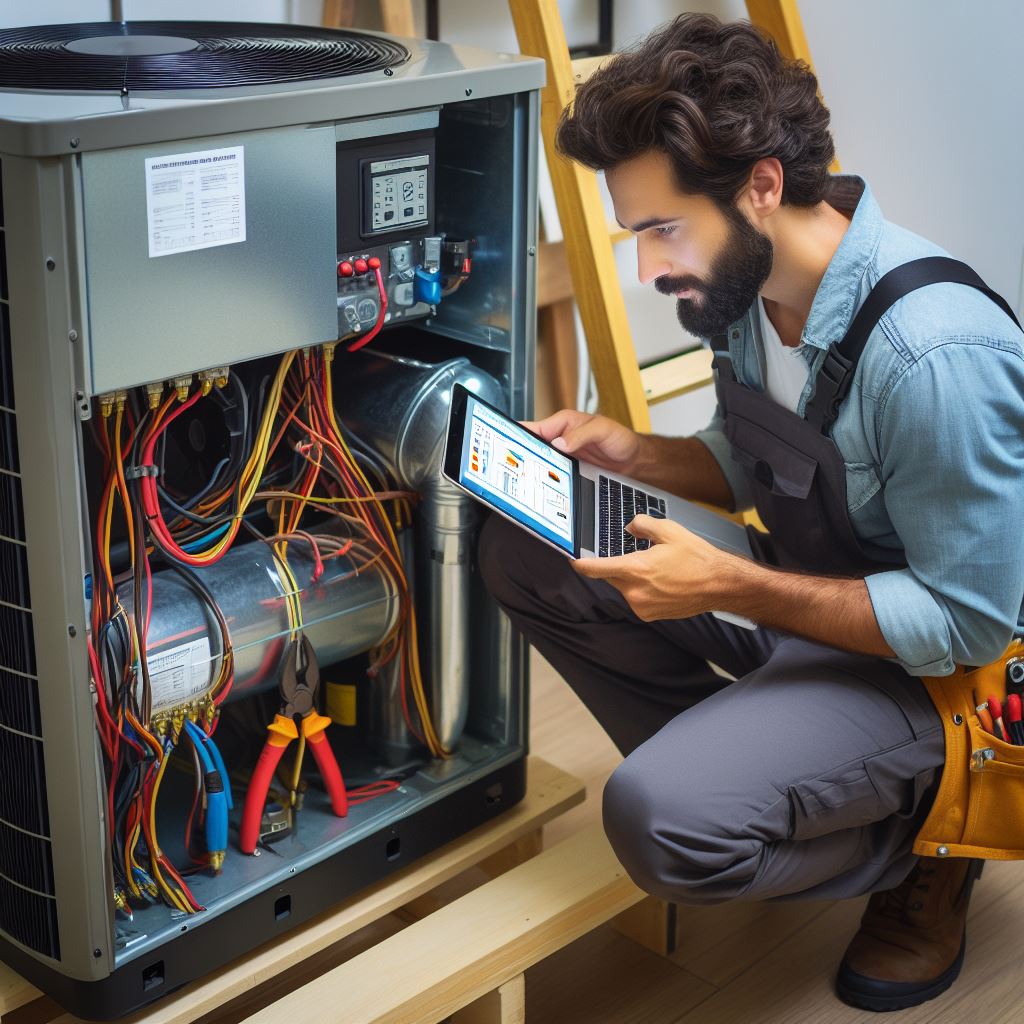
When considering HVAC installation costs in your area, it’s essential to be aware of the various factors that can influence the final price. The cost of installing a new heating, ventilation, and air conditioning (HVAC) system can vary widely depending on the size of your home, the type of system you choose, the complexity of the installation, and even the region you live in. To make an informed decision, begin by researching local HVAC contractors and requesting detailed quotes that break down the costs of labor, equipment, and any additional services.
It’s important to consider the efficiency ratings of different HVAC systems, as a more efficient system could save you money in the long run through reduced energy bills. Additionally, local climate conditions should be taken into account; what works best in a humid, hot environment might not be the ideal choice for a colder, drier climate. Rebates and incentives available in your area for energy-efficient systems can also significantly offset the initial hvac installation cost near me.
At Quantum Heating & Air Conditioning, we provide transparent pricing and high-quality equipment tailored to your specific needs. Upgrade your heating and air conditioning system. Schedule your free estimate with our experts, who can help you navigate the complexities of HVAC installation and ensure that you are getting the best value for your investment.
Factors Influencing Your HVAC Installation Price

The price of a new HVAC installation is not a one-size-fits-all figure; several critical factors play a role in determining the overall investment. First and foremost, the type of HVAC system you select, such as a central air conditioner, heat pump, or furnace, will have a significant impact on the cost. The system’s capacity, measured in tons or BTUs, should be appropriately matched to the size of your home to ensure efficiency and comfort.
Another key factor is the seasonal energy efficiency ratio (SEER) rating of the equipment. A higher SEER rating indicates better energy efficiency, which can lead to lower utility bills but may come with a higher upfront cost. The complexity of the installation process, including the need for ductwork modification or the addition of new vents, can also affect the final price. If your home requires extensive ductwork repair or replacement, this will add to the cost.
Furthermore, your geographic location influences labor rates and the need for certain system types and features due to climate variation. Local regulations and code requirements can additionally affect the installation process and expenses. Lastly, potential rebates and tax incentives for installing energy-efficient equipment can help mitigate some of the upfront costs, making it an important consideration when calculating the final hvac installation cost near me.
Understanding these factors can help homeowners prepare for the expenses involved and make more informed decisions about their HVAC system investment.
Maximizing Home Comfort: The Role of Professional Installation

Ensuring that your HVAC system is professionally installed is paramount to maximizing home comfort and operational efficiency. A professional installation goes beyond just placing a new unit in your home; it involves a thorough evaluation of your home’s heating and cooling requirements, careful selection of the appropriate equipment size and specifications, and meticulous installation that adheres to industry standards.
Professionals in the field bring a wealth of experience and are equipped with the knowledge to handle complex systems and configurations. They can identify and rectify any pre-existing issues with ductwork or insulation that could undermine your new system’s efficiency. Skilled technicians will also ensure that the HVAC system is properly sealed and charged with refrigerant, which is essential for optimal performance.
The role of professional installation is not only about precision but also about safety. HVAC systems involve electrical, gas, and refrigerant components that could pose risks if not handled correctly. Certified technicians are trained to install these systems safely, reducing the risk of future malfunctions or safety hazards.
Additionally, a professional installation often comes with warranties and guarantees on the work performed. This offers homeowners peace of mind, knowing that their investment is protected and that any potential issues will be addressed. By entrusting the installation to experts, homeowners can be assured that their HVAC system will function efficiently and reliably, providing consistent comfort throughout the seasons.
Finding the Right HVAC Installer Near You

Finding the right HVAC installer is a crucial step in ensuring that your heating and air conditioning system operates at peak performance. To locate a reliable technician near you, start by conducting a local search for highly-rated HVAC companies. Look for businesses with substantial positive feedback, as customer reviews can provide insight into the quality of service and customer satisfaction.
It’s important to verify that the HVAC installers you consider are licensed and insured. This not only protects you in case of any incidents during the installation process but also serves as an indicator of the installer’s commitment to professionalism and adherence to industry standards.
Experience matters when it comes to HVAC installation. Seasoned technicians are likely to have encountered a wide range of scenarios and can bring their expertise to your specific installation needs. Don’t hesitate to ask potential installers about their years in business and the types of systems they have experience with.
Another key factor to consider is the range of services offered. A full-service HVAC company will not only install your new system but also provide ongoing maintenance and repair services. This can be beneficial in the long term, as having a single point of contact for all your HVAC needs simplifies the process of keeping your system running smoothly.
Finally, compare quotes from multiple installers to ensure you are getting a fair price for the services provided. Be wary of quotes that seem too good to be true, as they may indicate subpar equipment or services. Investing in a balance of quality and cost will result in better performance and longevity of your HVAC system.
Evaluating HVAC System Efficiency and Cost-Savings

When it comes to choosing an HVAC system, efficiency is a key factor that affects both the environment and your wallet. An efficient system will use less energy to maintain comfortable temperatures in your home, leading to lower utility bills and reduced environmental impact. To evaluate the efficiency of an HVAC system, look for the Seasonal Energy Efficiency Ratio (SEER) for cooling equipment and the Annual Fuel Utilization Efficiency (AFUE) for heating equipment.
The higher the SEER and AFUE ratings, the more efficient the system is. However, the initial cost of high-efficiency HVAC units is typically higher. It’s essential to perform a cost-benefit analysis to determine if the potential energy savings justify the upfront investment. Consider factors such as the climate in your area, your home’s insulation, and how long you plan to stay in your home.
Moreover, many local utilities offer rebates and incentives for installing energy-efficient HVAC systems, which can help offset the initial cost. It’s worth researching these programs as part of your decision-making process.
In addition to efficiency ratings, consider the system’s features, such as variable speed fans and modulating gas valves. These can provide improved comfort by fine-tuning the heating and cooling output to match your home’s specific needs at any given time.
Taking the time to evaluate the efficiency and potential cost-savings of various HVAC systems is a wise investment in your home’s future. Not only can an efficient system contribute to a more comfortable living environment, but it can also offer significant savings over the life of the system.
Preparing for Your HVAC Installation: A Checklist
Preparing for the installation of a new HVAC system can be a significant undertaking, but with the right checklist, you can ensure a smooth and efficient process. To begin, verify that your selected HVAC contractor is licensed and insured, providing you with peace of mind that the installation will be handled professionally. Next, clear the area around where the system will be installed. This not only provides the technicians with easy access but also protects your property from any accidental damage.
It’s also wise to discuss with your contractor any specific requirements for your home’s infrastructure, such as electrical upgrades or ductwork modifications. Ensuring that these elements are addressed before installation day can prevent delays. Additionally, take the time to review the installation plan with your technician, confirming details such as the location of the units and the route of ductwork or piping.
Finally, if you have pets or small children, make arrangements to keep them safely away from the work area. This helps to ensure their safety and allows the technicians to work without interruptions. With these steps completed, you will be well-prepared for your HVAC installation.
Ready to enhance your home comfort with a new HVAC system? Schedule your free estimate with Quantum Heating & Air Conditioning today. Our experts are equipped to provide you with the high-quality equipment and service that you deserve. Don’t settle for anything less than the best, and let us help you upgrade your home comfort.
https://www.youtube.com/watch?v=G_p1qd3CxFI
SCHEDULE AN INSTALLATION
The Best Comfort Provider
・Energy saver for lower utility bills
・Quiet operation for better sleep
・Low environmental impact
Schedule Your Free Consultation
/*! elementor – v3.21.0 – 18-04-2024 */
.elementor-widget-image-box .elementor-image-box-content{width:100%}@media (min-width:768px){.elementor-widget-image-box.elementor-position-left .elementor-image-box-wrapper,.elementor-widget-image-box.elementor-position-right .elementor-image-box-wrapper{display:flex}.elementor-widget-image-box.elementor-position-right .elementor-image-box-wrapper{text-align:end;flex-direction:row-reverse}.elementor-widget-image-box.elementor-position-left .elementor-image-box-wrapper{text-align:start;flex-direction:row}.elementor-widget-image-box.elementor-position-top .elementor-image-box-img{margin:auto}.elementor-widget-image-box.elementor-vertical-align-top .elementor-image-box-wrapper{align-items:flex-start}.elementor-widget-image-box.elementor-vertical-align-middle .elementor-image-box-wrapper{align-items:center}.elementor-widget-image-box.elementor-vertical-align-bottom .elementor-image-box-wrapper{align-items:flex-end}}@media (max-width:767px){.elementor-widget-image-box .elementor-image-box-img{margin-left:auto!important;margin-right:auto!important;margin-bottom:15px}}.elementor-widget-image-box .elementor-image-box-img{display:inline-block}.elementor-widget-image-box .elementor-image-box-title a{color:inherit}.elementor-widget-image-box .elementor-image-box-wrapper{text-align:center}.elementor-widget-image-box .elementor-image-box-description{margin:0}
A QUANTUM LEAP IN COOLING POWER
Get Your Free Consultation